




Why Gold and Platinum Suitable for Making Jewellery? A Complete Guide
"Some things fade. Gold and platinum never do; they make memories."
That’s not just a catchy tagline, but it is also the real reason gold and platinum stay popular in jewellery. People have worn them for ages, and you still see them today, from royal portraits to everyday photos online. Still, you might wonder why these two metals work so well for jewellery. Is it only because people kept doing it, or is there a real reason and a smart design behind the shine, or a symbol of luxury?
If you have ever thought about this while buying a ring or picking a necklace, you are not alone. This piece walks you through the basics. We look at how chemistry affects looks and wear. We also cover what jewellery styles are getting attention right now. On top of that, you will get useful tips, like how to measure ring size at home and how to choose a necklace length that fits. And We will also introduce gold vermeil, a newer, budget-friendly option that many buyers in India and the USA are choosing. Let’s get into it.
Quick answer: Gold and platinum are ideal for jewellery because they resist tarnish and corrosion, are malleable enough for detailed designs, look naturally beautiful, and are generally gentle on skin. Platinum is the most durable, gold offers the most colour choices, and gold vermeil gives you the gold look at a lower price.
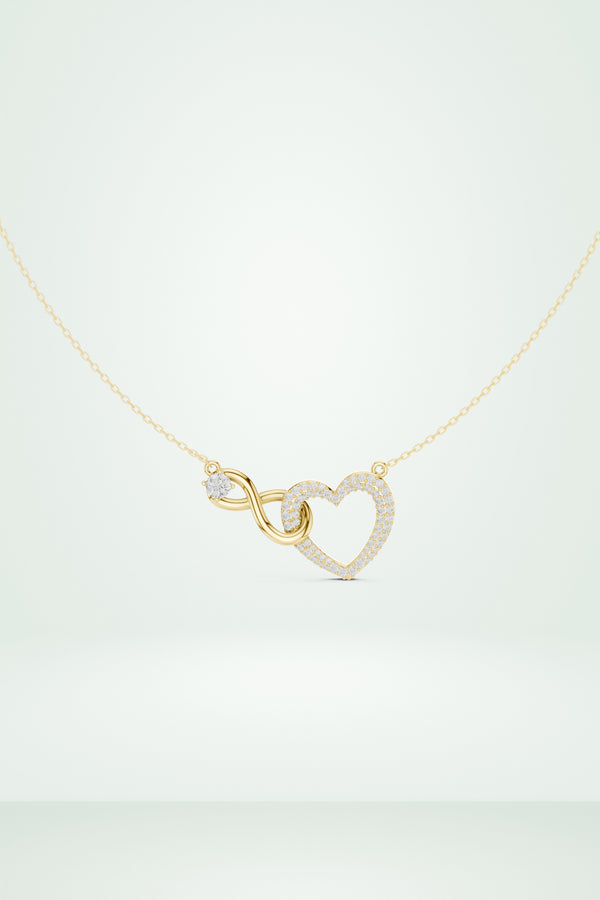
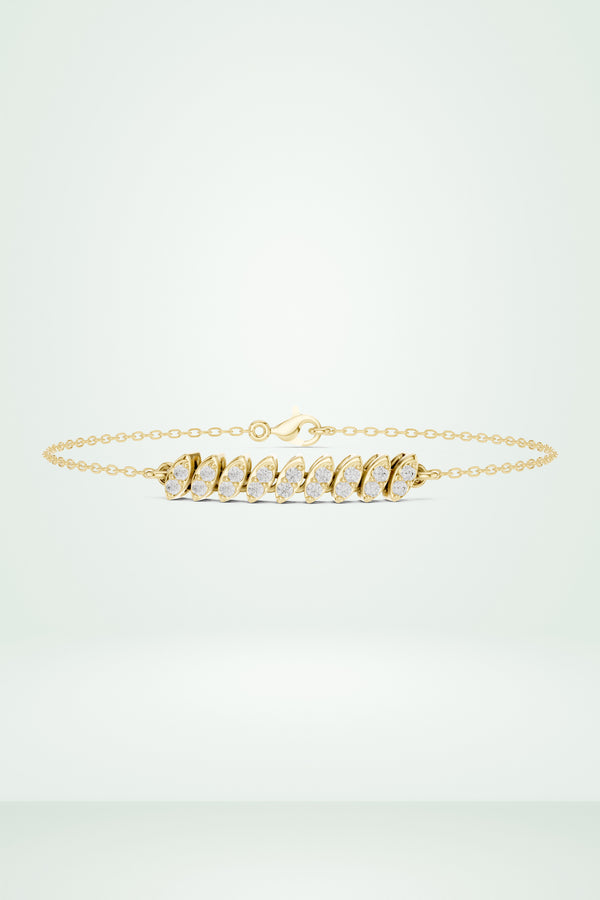
Why Are Gold and Platinum Suitable for Making Jewellery?
Not every metal can be turned into a wearable piece of art. To make good jewellery, a metal needs a mix of beauty, durability and workability, and gold and platinum satisfy all three.
1. They Do Not Tarnish
Unlike iron or copper, gold and platinum are very resistant to oxidation. A gold piece will not turn dull or change colour even after many years of use. Platinum, in particular, is one of the most corrosion-resistant metals known, which makes it ideal for rings worn every day and for heirloom pieces.
2. They Are Naturally Beautiful
A big part of what makes gold jewellery attractive is how it reflects light. Gold has a bright glow that lifts any outfit, while platinum gives a refined white shine that looks wonderful with diamonds and other stones. This natural beauty is why both metals are top choices for engagement rings, wedding bands and everyday jewellery.
3. They Are Malleable and Workable
Gold is one of the most malleable metals on Earth. A single gram can be hammered into a sheet covering almost a square metre. This lets jewellers create delicate filigree and finely detailed pieces such as engraved names, birthstone settings and custom pendants.
4. They Are Hypoallergenic
For people with sensitive skin, platinum is an excellent choice. At about 95% purity, it is naturally hypoallergenic and rarely causes reactions. High-karat gold is also kind to most skin types, and so is gold vermeil, which has a sterling silver base.
5. They Hold Long-Term Value
Unlike fashion jewellery, gold and platinum hold lasting value. Gold rates change daily, and that affects the worth of the jewellery in your box too. This is why gold jewellery has long been seen as a lasting gift in Indian and American cultures.
6. Gold Comes in Many Shades
Gold is naturally warm and beautiful, with a refined yellow colour. In its pure form it is quite soft, so jewellers mix it with other metals to make harder alloys. This also lets designers create pieces in a variety of textures and colours.
For example:
Yellow gold: Gives a traditional warm look.
White gold: A contemporary, sophisticated look.
Rose gold: Has a unique pinkish hue.
Gold vermeil: A sterling silver base with a layer of real gold.
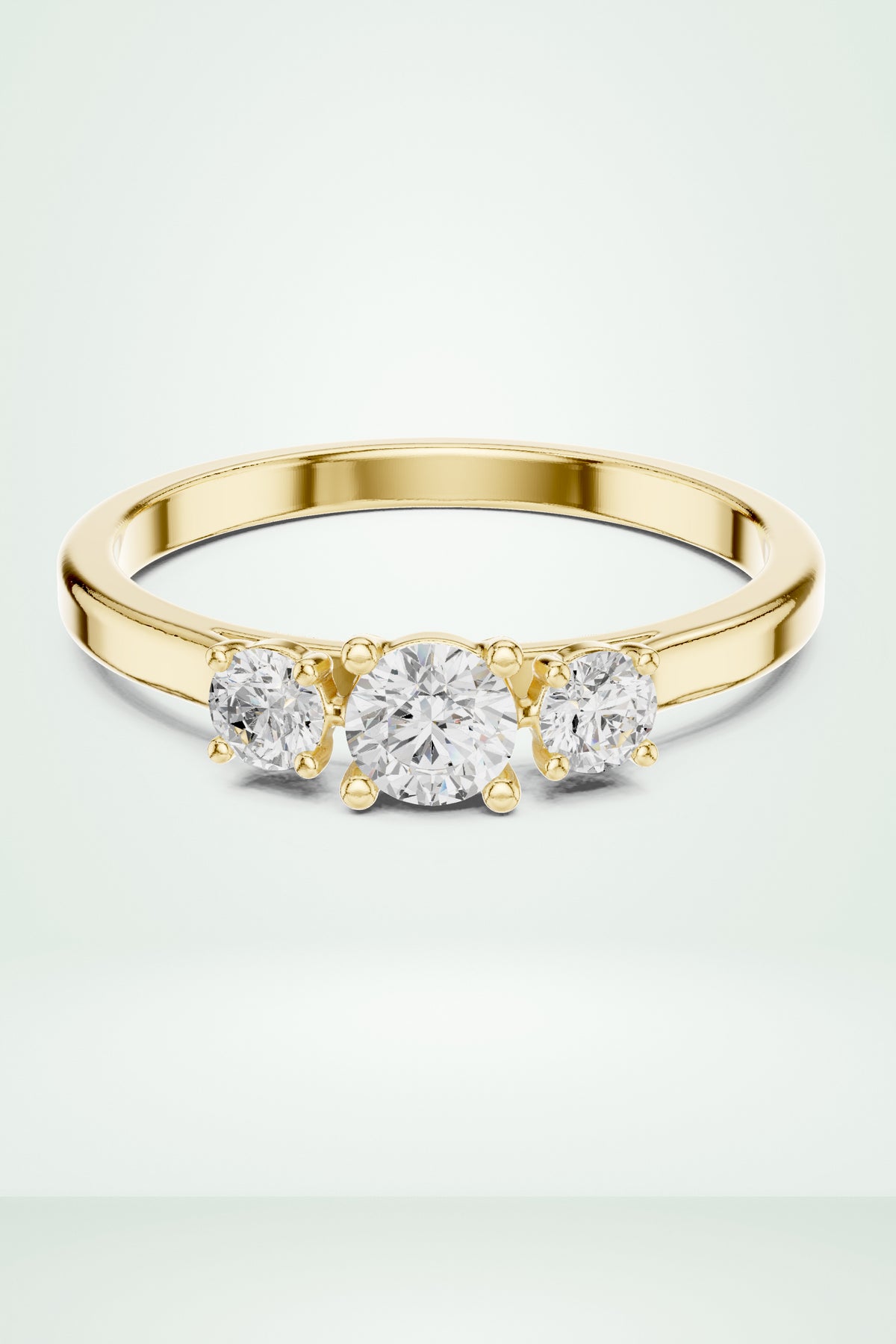
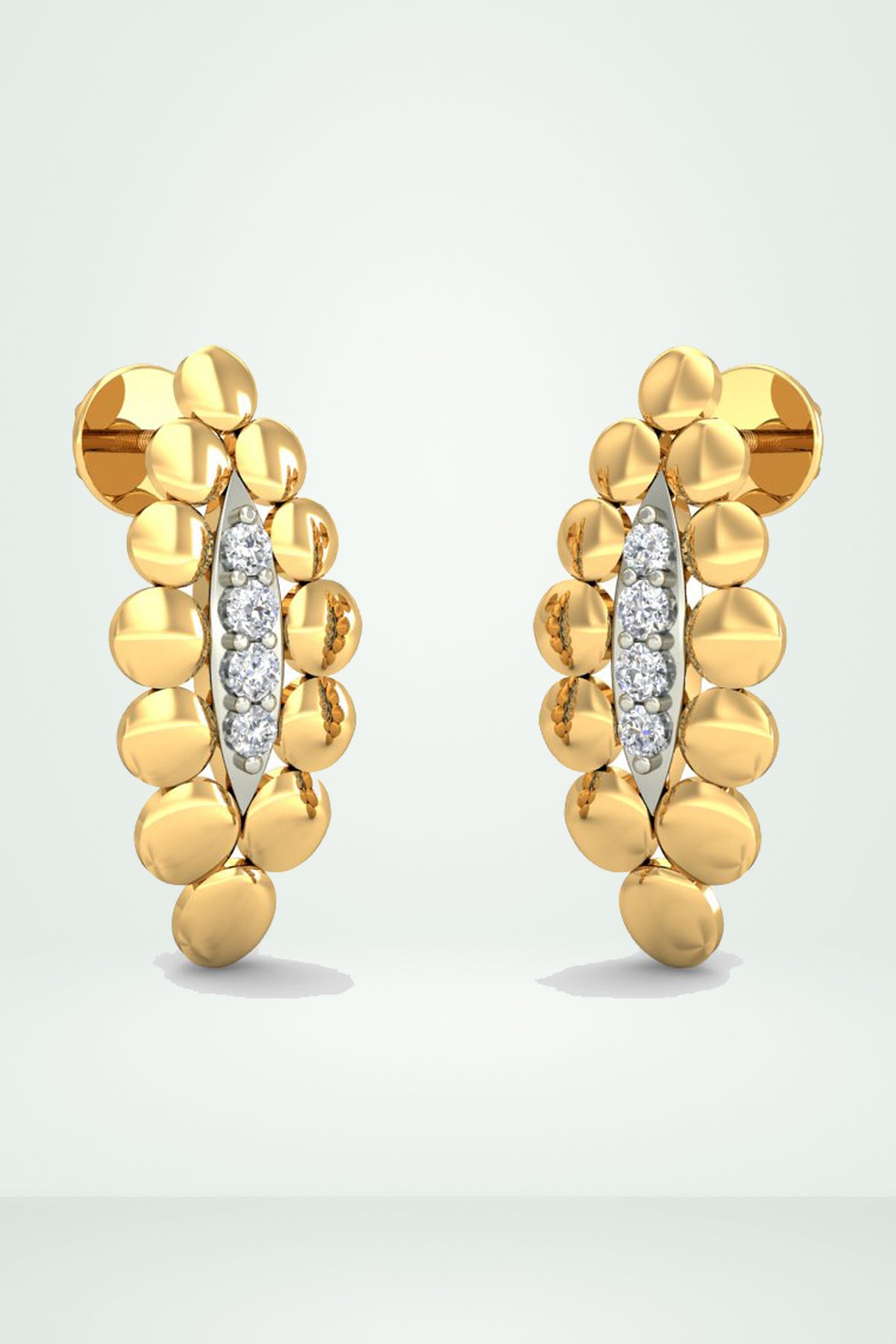
Gold is an incredibly versatile metal, used in everything from delicate everyday pieces to statement rings and bridal jewellery. Explore Riaagh’s collection of premium gold vermeil jewellery.
Gold Purity Chart: 24K vs 22K vs 18K vs 14K
| Karat | Purity | BIS Hallmark | Best For |
|---|---|---|---|
| 24K | 99.9% | 999 | Coins, bars, investment |
| 22K | 91.6% | 916 | Traditional and bridal jewellery |
| 18K | 75% | 750 | Diamond and daily-wear jewellery |
| 14K | 58.3% | 585 | Hard-wearing, everyday pieces |
Higher karat means more pure gold but a softer metal. That is why 18K is preferred for rings with stones, and 22K for traditional sets.
What Is Platinum, Really?
Gold is easy to recognise, but platinum still confuses many buyers. Platinum is a dense, shiny metal with a pale silver-white colour. It is rarer than gold, and people value it for being tough and for staying very pure.
Most platinum jewellery is about 90 to 95% pure. Gold jewellery is usually alloyed with other metals, and its purity is measured in karats.
Because platinum is used in much purer form in jewellery, platinum pieces are often priced at a premium for the making and metal weight. Raw metal rates change daily, so compare the current per-gram rates of gold and platinum before you buy.
Many shoppers treat platinum jewellery as a top-tier pick. It shows up often in engagement rings and higher-end bridal sets. For a timeless engagement ring or a lifelong keepsake, platinum is an elegant choice.
Platinum vs White Gold: What’s the Difference?
| Platinum | White Gold | |
|---|---|---|
| Purity | About 95% | 75% (18K), mixed with other metals |
| Colour | Naturally white | Usually rhodium-coated for a bright white finish |
| Maintenance | Develops a soft patina, no re-plating needed | Rhodium coating may need renewal over time |
| Weight | Denser and heavier | Lighter |
| Price | Usually higher for the same design | Usually lower for the same design |
Choose platinum for a lifetime ring with minimal upkeep. Choose white gold for a similar look at a lower cost.
How to Identify Real Gold, Silver and Platinum
Before you buy, check for these marks on the piece and on the bill:
- Gold: Look for the BIS hallmark with the purity mark (916, 750 or 585) and the HUID code. Ask the jeweller for the hallmarking details.
- Platinum: Look for the stamp Pt950 or 950, which means 95% pure platinum.
- Sterling silver: Look for 925 or “Sterling”.
- Gold vermeil: Look for 925 on the piece, and ask the seller to confirm that the gold layer is at least 2.5 microns thick.
- Quick home check: Real gold and platinum are not magnetic. If a strong magnet pulls the piece, it is not pure precious metal. This test is only a first check, so always get final verification from a certified jeweller.
Gold Vermeil: A Beautiful Alternative to Solid Gold
Now here’s where things get exciting, especially if you love trendy jewellery but don’t want to spend a fortune every time you shop.
What is gold vermeil? In simple terms, gold vermeil is sterling silver covered with a thick layer of real gold. To be sold as vermeil, the gold layer must be at least 2.5 microns thick, which is much more than a light gold plating. That is why vermeil lasts longer than ordinary plated jewellery. So why do so many shoppers in India and the USA choose it as their go-to option?
Gold Vermeil vs Gold Plated vs Gold Filled vs Solid Gold
| Solid Gold | Gold Vermeil | Gold Filled | Gold Plated | |
|---|---|---|---|---|
| Base metal | Gold alloy | 925 sterling silver | Brass | Brass or other base metal |
| Gold layer | Throughout | At least 2.5 microns | Thick layer bonded to base | Often under 1 micron |
| Skin safety | Very good | Very good (silver base) | Good | Varies, may cause reactions |
| Longevity | Lifetime | Years with proper care | Many years | Shorter |
| Price | Highest | Moderate | Moderate | Lowest |
Vermeil is the only one of the coated options that is built on a precious metal base.
Why shoppers choose vermeil:
- Affordable luxury: You get the warm, shiny look of gold jewellery for less money.
- Skin-friendly: It starts with sterling silver, so it tends to be kinder than many lower-cost metal blends.
- Always in style: Find it in layered chains, stackable rings and simple earrings that match current trends.
- Great for gifting: If you are shopping for a gift, vermeil works well for name necklaces, initial pendants and birthstone rings, all without spending too much.
At Riaagh, we focus on gold vermeil jewellery. Our pieces look rich, feel wearable and stay within a reasonable budget. Whether you want to add to your daily collection or pick a gift, Riaagh helps you get the gold look without the big price.
Does Gold Vermeil Tarnish or Fade?
The gold layer does not tarnish, but it can wear down gradually with friction, sweat, water and chemicals. With good care, quality vermeil can look great for years. Rings and bracelets wear faster than earrings and pendants.
Do:
- Put it on after perfume, lotion and makeup
- Wipe with a soft dry cloth after wearing
- Store in an airtight pouch or box
Don’t:
- Wear it while bathing, swimming or exercising
- Use harsh cleaners or abrasive cloths
- Leave it loose with other jewellery
Sterling Silver: The Affordable Classic
Pure silver is too soft for jewellery, so most pieces use sterling silver, an alloy of 92.5% silver and 7.5% other metals, usually copper. It offers bright shine, good strength and the lowest price of the three metals. The drawback is tarnish: silver reacts with sulphur in the air and slowly darkens, but regular wiping and airtight storage keep it bright. Many people also love the look of oxidised silver, which is a fashion statement in itself.
Quick Comparison Between Gold vs Platinum vs Silver:
Still confused about which metal suits you best? Here is a simple breakdown:
| Feature | Gold | Platinum | Silver |
|---|---|---|---|
| Lustre | Warm yellow glow | Cool, silvery-white | Bright, mirror-like |
| Tarnish resistance | Excellent | Excellent | Moderate (can tarnish over time) |
| Durability | High (varies by karat) | Very high | Moderate (sterling is stronger than pure silver) |
| Malleability | Very high | High | High |
| Skin sensitivity | Low in higher karats | Very low | Generally safe (sterling) |
| Price | Changes with the daily gold rate | Premium pricing, rates vary | Most affordable |
| Cultural significance in India | Extremely high | Growing | High |
| Best for | Weddings, heirlooms, investment | Engagement rings, luxury pieces | Daily wear, fashion, stacking |
How to Choose the Right Jewellery Metal
The right metal depends on how you live, what you wear and what you want to spend. Here is a simple guide:
- Choose gold if you want a timeless look. It comes in yellow, white and rose shades and suits almost every style.
- Choose platinum if you want a naturally white, very pure metal for a piece you plan to keep for years, such as an engagement ring.
- Choose gold vermeil if you want the look of gold at a lower price. It has a 925 sterling silver base with a layer of real gold on top.
- Choose silver if you prefer a cooler tone. It is budget-friendly and ideal for daily wear and fashion pieces.
Not sure about tone? Warm skin tones usually look good in yellow gold, and cool skin tones in silver or platinum.
Gold Vermeil and Everyday Jewellery Styling
Gold vermeil fits almost every jewellery trend and is easy to mix and match. Wear a vermeil pendant with a white shirt, style hoops with denim, or stack a few slim rings for a layered look.
If you are building a small jewellery capsule, start with:
- One everyday necklace
- Small hoop earrings
- A delicate bracelet
- One statement ring
- One personalised pendant
Pro tip: Layer chains of different lengths for a custom look, and do not be afraid to mix gold vermeil with silver pieces.
Necklace Length Guide
| Type | Length | Where It Sits |
|---|---|---|
| Choker | 14 to 16 inches | Close around the neck |
| Princess | 17 to 19 inches | Just below the collarbone |
| Matinee | 20 to 24 inches | Mid-chest |
| Opera | 28 to 36 inches | Long, can be doubled |
Round neckline: princess length. V-neck: a pendant on a matinee chain. High neck: choker or opera length.
Jewellery Buying Tips
Whether you shop in India or the USA, check these details before you buy:
- Metal type
- Purity or karat (916, 750, 585 for gold)
- Gold plating or vermeil details (base metal and gold layer thickness)
- Sterling silver content (925)
- Gemstone details
- Dimensions
- Care instructions
- Return policy
How to Measure Ring Size at Home
- Take a ring that already fits the same finger well.
- Measure its inside diameter in millimetres with a ruler.
- Match it with the ring size chart.
No ring? Wrap a string or paper strip around the base of your finger, mark the overlap and measure the length in mm. That is your finger circumference. Measure at the end of the day, when fingers are slightly larger, and not when your hands are cold.
Want exact steps with a printable chart? See our guide on how to measure ring size.
Why Gold Rate and Gold Price Matter to Shoppers
Gold prices change often, and that affects the price of solid gold jewellery. Gold vermeil uses far less gold than a solid piece, so it usually costs much less and is less sensitive to price swings, although it still contains real gold. It lets you enjoy the gold look without a big upfront investment.
Conclusion
So, why are gold and platinum suitable for making jewellery? They are beautiful, durable and pure, and few metals offer all three. Platinum brings toughness and a premium feel, while gold offers warmth, tradition and easy workability. Gold vermeil gives you the gold look at a more accessible price.
Whether you are shopping for yourself or for a gift, knowing these basics makes choosing easier. Explore Riaagh’s gold vermeil collection for pieces that are timeless and easy to wear every day.
FAQs
1. Why are gold and platinum suitable for making jewellery?
Gold and platinum are ideal for jewellery because they don't tarnish, are naturally beautiful, and are malleable enough for detailed designs. Platinum is also hypoallergenic, and both metals hold long-term value, making them practical as well as attractive choices.
2. What is platinum, and how is it different from gold?
Platinum is a rare, dense, silver-white metal that is typically about 95% pure in jewellery. Most gold jewellery is alloyed and its purity is measured in karats. Platinum is also highly resistant to corrosion.
3. What is gold vermeil?
Gold vermeil is 925 sterling silver coated with a thick layer of real gold, at least 2.5 microns. It gives the warm look of solid gold at a lower price, which makes it popular for everyday jewellery.
4. Is gold vermeil good for sensitive skin?
Yes. Since gold vermeil starts with a sterling silver base, it tends to be gentler on skin than many low-cost metal alloys, making it a good option for those with sensitivity issues.
5. Is platinum better than gold for engagement rings?
Both are excellent choices. Platinum is purer, more durable and hypoallergenic, making it popular for daily-wear engagement rings. Gold offers more colour variety (yellow, white, rose) and a warmer, more traditional look. The right choice depends on personal style and budget.
6. Is platinum more expensive than gold?
Platinum jewellery is usually priced high because it is used in nearly pure form and is heavier, but raw metal rates change daily, so compare today’s per-gram rates before buying.
7. How do I measure my ring size at home?
Use a ring that already fits and measure its inside diameter in millimetres, then match it with a ring size chart. You can also wrap a string around your finger, measure the length in mm and compare it with the chart. See our full ring size guide.
8. How do I choose the right necklace length?
It depends on your neckline and the look you want. Chokers sit close to the neck, princess-length necklaces fall just below the collarbone, and longer pendant necklaces make more of a statement. See the necklace length guide above.
9. Does the gold rate affect gold vermeil prices?
Vermeil uses far less gold than solid jewellery, so it is usually less sensitive to gold rate changes. It is not completely unaffected, because the coating is still real gold.
10. How do I choose between gold, platinum, and silver jewelry?
Choose gold for a timeless look with colour versatility, platinum for durability and a cool-toned premium finish, gold vermeil for an affordable gold look, and silver for a budget-friendly, casual style.
11. How can I tell if my jewellery is real gold or platinum?
Check the hallmark (916, 750 or 585 for gold, Pt950 for platinum) and get it tested at a certified jeweller.
12. Is gold vermeil real gold?
Yes. Vermeil has a real gold layer, at least 2.5 microns, over 925 sterling silver.
13. What is the difference between vermeil and gold plated jewellery?
Vermeil uses a sterling silver base and a thicker gold layer, while gold plating usually has a thinner layer over a base metal such as brass.
14. Can I wear gold vermeil every day?
Yes, with care. Remove it before bathing, swimming or workouts to make it last longer.
15. Which metal is best for sensitive skin?
Platinum and high-karat gold are the safest, and sterling silver-based vermeil is a good lower-cost option.
